



Conveyor belts are essential in industries like manufacturing, packaging, food processing, mining, and distribution. They move materials quickly and efficiently, but they also come with their own safety risks.
Without proper safety measures, conveyor systems can lead to serious injuries, costly downtime, and violations of OSHA regulations. At Vaughn Belting, we want to help customers and employees stay safe and compliant with industrial conveyor systems through custom solutions and expert guidance.
This article covers the most important conveyor safety practices, outlines common conveyor belt hazards, reviews OSHA conveyor safety standards, and explains how choosing the right conveyor belts, safety equipment, and employee training can significantly reduce risk in industrial operations.
Why Conveyor Belt Safety Matters
Conveyor belts are powerful machines. They operate at high speeds and use motors, pulleys, and rollers that can easily cause injury if not handled properly. These injuries range from cuts and bruises to amputations and fatalities. In addition to the human cost, conveyor accidents result in expensive repairs, regulatory fines, and production delays.
Creating a culture of conveyor belt safety is essential for protecting workers and maintaining operational efficiency. Vaughn Belting partners with clients to implement safety-first strategies through premium conveyor belt products, system design support, and employee safety training resources.
Common Conveyor Belt Hazards
Pinch Points and Shear Points
Pinch points occur when body parts or clothing can be caught between two moving surfaces. Shear points are areas where parts move closely together and can be cut or crushed. These are typically found at pulleys, gears, and belt-to-roller contact zones. Proper guarding and protective covers are essential for preventing accidents.
Loose Clothing, Hair, and Jewelry
Loose items can easily get caught in moving conveyor parts. Workers should wear fitted clothing, tie back long hair, and remove jewelry before entering areas with conveyor systems. Signage and pre-task checklists can help reinforce these safety habits.
Slips, Trips, and Falls
Slippery floors, uneven surfaces, or clutter around conveyor systems can lead to slips or falls. Conveyor work areas should be kept clean and well-lit. Non-slip floor coatings and clearly marked walkways also reduce the risk of accidents.
Electrical and Fire Hazards
Exposed wires, overheating motors, or poor grounding can pose electrical or fire risks. Conveyor systems should be inspected regularly for damaged components. Maintenance should only be performed by certified professionals using lockout/tagout procedures.
Load Spillage and Material Hazards
Overloaded conveyor belts or improper loading can cause materials to spill, increasing the chance of trips and machine strain. Regular training on safe loading practices and proper belt tracking ensures both safety and performance.
Environmental and Noise Hazards
In facilities where conveyor systems run constantly, noise levels can become a concern. Prolonged exposure to high noise can affect hearing and worker concentration.
Providing ear protection and regular noise monitoring can mitigate this risk. Similarly, temperature extremes and exposure to chemicals can create additional environmental hazards. Use belts rated for your environment and equip workers with necessary protective gear.
Best Conveyor Belt Safety Practices
1. Provide Routine Conveyor Safety Training
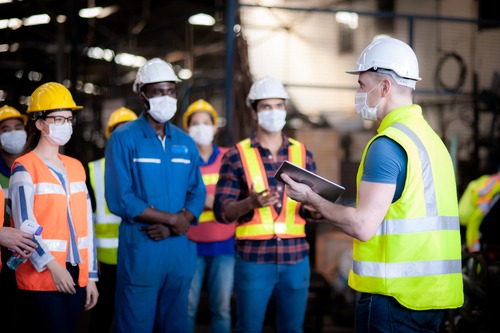
Every worker who operates or works near conveyor systems should receive regular safety training. Topics include identifying hazards, using emergency stops, understanding lockout/tagout procedures, and performing visual inspections.
Training should be documented and updated as systems change. Consider offering multilingual training or visual aids to ensure all employees fully understand safety expectations.
Some important personal safety tips:
- Never sit, stand, or walk on conveyors
- Keep away all loose items like hair, clothing, and jewelry

2. Follow Lockout/Tagout (LOTO) Protocols
Before any conveyor belt maintenance begins, LOTO protocols must be followed. This includes de-energizing the equipment and securing controls to prevent accidental restart. Failure to follow LOTO procedures is a common cause of conveyor-related injuries. Maintain a checklist to verify proper LOTO execution.
Lockout/Tagout (LOTO) Example Steps:
- Notify Personnel
Alert affected employees that the system will be shut down for servicing. - Shut Down Equipment
Turn off the conveyor using standard stop controls. - Isolate Energy Sources
- Turn off and lock the main disconnect
- Release stored energy (bleed air/hydraulics, relieve belt tension, chock rollers)
- Lock and Tag
- Apply locks and tags to all energy isolation points
- Use only approved, labeled devices
- Verify Isolation
- Attempt to start the conveyor (no movement = confirmed isolation)
- Use testers for electrical sources, if necessary
- Perform Work
Only proceed once energy is fully controlled and verified.
Restoring Power:
- Clear the Area
Remove tools, reinstall guards, and ensure personnel are clear. - Remove Locks/Tags
Only the person who applied each lock can remove it. - Re-energize System
Restore power and start-up procedures. - Notify Personnel
Let all affected staff know the system is operational.
3. Use Protective Guarding and Covers
Install physical guards over pinch points, rotating shafts, and moving parts. These guards protect workers and should only be removed by authorized personnel during maintenance. Make sure guards are durable, secured, and meet OSHA specifications. Regular inspections of guards ensure they remain in good condition.
4. Enforce Proper PPE Usage
Depending on the environment, workers may need gloves, safety glasses, steel-toed boots, ear protection, or hard hats. Establishing and enforcing a PPE policy helps reduce injury risk in conveyor zones. Make PPE accessible and ensure new employees are trained in its correct use.
5. Maintain Visible Safety Signage
Conveyor areas should have warning signs, emergency contact information, and floor markings. Use color-coded signs to highlight high-risk zones and required PPE. These visuals serve as constant reminders to maintain safe practices. Digital signage may also be used in larger facilities to deliver real-time safety updates.
6. Conduct Routine Conveyor System Inspections
Inspect belts for tension, wear, and tracking. Check rollers and pulleys for proper alignment. Motor temperature and control panels should also be examined. Routine inspections prevent breakdowns, belt replacements, and improve overall belt system efficiency. Use inspection logs and set reminders for regular and preventative maintenance.
7. Encourage a Proactive Safety Culture
Involve workers in safety planning. Encourage them to report hazards, suggest improvements, and participate in safety meetings. A strong safety culture improves morale and keeps everyone focused on avoiding preventable injuries. Incentive programs for safety reporting can reinforce good habits.

Emergency Preparedness in Conveyor Operations
Having emergency procedures in place is just as important as prevention. All conveyor systems should have:
- Clearly marked and easily accessible emergency stop devices
- Trained staff who can respond to injuries, shutdowns, or fires
- Emergency kits and first aid supplies within reach
- Communication plans to alert supervisors and emergency responders
- Clear evacuation routes posted in multiple locations
Run regular drills and tabletop exercises to ensure readiness.
Selecting the Right Conveyor Belt for Safety and Performance
The type of conveyor belt used can influence safety outcomes. Choosing belt materials that meet your system’s load, speed, and environmental requirements is key. Consider the following:
- Material Compatibility: Use food-grade belts in food processing, and flame-retardant belts in high-heat environments.
- Textured Surfaces: Textured or cleated belts provide better grip for materials, reducing spillage.
- Load Tolerance: Select belts that can handle your weight and volume demands.
- Chemical Resistance: In chemical or corrosive environments, use belts that resist chemical degradation.
- Sanitary Design: For industries like food and pharmaceuticals, select belts that support washdowns and limit bacteria buildup.
Vaughn Belting offers a wide range of conveyor belt materials, including PVC, rubber, urethane, and specialty fabrics, designed to meet your safety and operational goals.
How Vaughn Belting Helps Improve Conveyor Belt Safety
As a leading regional provider of industrial belts and accessories, Vaughn Belting proudly serves customers throughout North Carolina and South Carolina. Our services include:
- Custom Fabricated Conveyor Belts: Designed to fit your system, reduce wear, and support worker safety.
- Emergency Belt Repairs: On-site service to restore operations quickly and safely.
- Belt Installation and Tracking Support: Proper installation improves performance and extends belt life.
- Parts and Accessories: We supply everything from pulleys to belt cleaners, helping ensure safe and efficient system operation.
We’re committed to helping clients maintain safer, more reliable conveyor belt systems for long-term success.
Improving conveyor belt safety starts with awareness, training, and the right equipment. By identifying hazards, following OSHA guidelines, and implementing best practices, companies can protect workers, avoid downtime, and improve system performance.
At Vaughn Belting, safety is a top priority. If you need safety information, we can lead you in the right direction.
Need conveyor belt repairs at your facility? Contact Vaughn Belting today.