



V-belts may be small compared to the equipment they power, but choosing the wrong one can create a surprisingly big headache. A belt that slips, wears out too quickly, or doesn’t fit the drive correctly can interrupt production and put extra stress on connected components. Knowing a few basics can make it easier to find the right belt for your application.
Whether you’re replacing a worn belt or specifying one for new equipment, start by understanding how V-belts work, which types and materials suit your conditions, and how to confirm the correct size.
This industrial V-belts guide walks you through those decisions, plus practical maintenance tips to help your belt last longer.
What Is a V-Belt and How Does It Work?
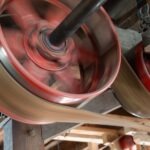
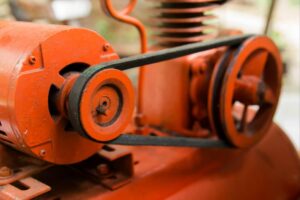
A V-belt is a flexible power-transmission belt with a trapezoidal, or V-shaped, cross-section. It runs in matching grooves in pulleys, also called sheaves. As the belt wedges into the groove, friction helps transfer rotational power from one shaft to another.
The belt, pulleys, and drive setup work as a system. A correctly selected belt needs the right profile and length, but it also needs compatible sheaves, proper tension, and operating conditions within its specifications. If one part is mismatched, even a high-quality belt may perform poorly.
What Are the Different Types of Industrial V-Belts?
V-belts come in different profiles and constructions because not every drive has the same space, speed, load, or operating demands. When comparing types of V-belts, consider both the belt’s design and the material it’s made from.
| Type or construction | What to know |
| Classical V-belts | Traditional profiles used in many established drives |
| Narrow-wedge V-belts | Designed to transmit substantial power in a more compact drive |
| Cogged or notched V-belts | Notches on the underside improve flexibility around smaller pulleys |
| Banded V-belts | Multiple belt sections joined together to help resist belt whip or turnover |
| Neoprene V-belts | A material option valued for flexibility and resistance to heat, oil, and abrasion |
| Urethane V-belts | A material option known for wear resistance and flexibility |
These categories aren’t interchangeable, and the table describes general industry options rather than every construction that is available. Choose based on your application’s demands, not appearance alone, and confirm the profile against your equipment’s specifications.

How Do You Determine the Right V-Belt Size?
V-belt sizing involves more than finding a belt that looks to be the right size. The profile, length designation, and pulley groove all need to match the drive.
Check the Existing Belt’s Markings
If the current belt is still readable, look for its part number or size marking. That information can help identify the belt profile and nominal length. Check the equipment manual or manufacturer documentation to confirm the designation, since belt length conventions can vary by belt type.
If the markings are worn away, don’t guess from a stretched or damaged belt. Record the equipment make and model, then use an appropriate measuring tool or ask an industrial supplier to help identify the specifications.
Match the Belt to the Pulley and Drive System
Before ordering, confirm:
- Belt profile: The cross-section must fit the pulley groove.
- Length: Follow the measurement convention for the specific belt type.
- Pulley compatibility: Inspect sheaves for wear, damage, or a mismatched groove profile.
- Drive requirements: Check operating speed, load, and manufacturer specifications.
- Multiple-belt setups: Use the specified matched set rather than mixing old and new belts.
A belt that’s too loose may slip and build heat. One that’s too tight can place excess load on shafts and bearings. If you can’t confirm the size from markings or documentation, share the equipment details and available measurements with a qualified belt supplier before placing an order.

How to Choose the Right V-Belt for Your Application
Once you know the required size and profile, consider how and where the belt will operate. A belt that works well on one machine may not be the right choice for another.
Think through these factors:
- Load and Speed: The belt must handle the drive’s power requirements and operating speed.
- Temperature and Environment: Heat, oil, dust, moisture, and abrasive conditions can affect belt performance and material choice.
- Pulley Size and Layout: Small pulleys, tight space constraints, and the drive configuration can influence which construction is suitable.
- Duty Cycle: Frequent starts, stops, or long operating hours may change the demands placed on the belt.
- Manufacturer Requirements: Equipment specifications should guide the final selection.
This is where a V-belt or a less common specification may be worth discussing with a supplier. “Custom” doesn’t automatically mean a completely unique design; it may simply mean identifying the best material, profile, or configuration for a particular machine.
Avoid substituting a different belt simply because it’s available sooner. A small mismatch can lead to repeated replacement and avoidable downtime.
How Can You Extend V-Belt Lifespan?
V-belt maintenance doesn’t have to be complicated, but it does need to be consistent. A quick inspection can help catch problems before they cause a breakdown and may help extend the lifespan of your belt.
Use this checklist as part of your maintenance routine:
- Inspect for Wear: Look for cracks, fraying, glazing, missing material, or uneven wear.
- Check Alignment: Misaligned pulleys or tracking issues can cause belts to wear unevenly or run off-center.
- Verify Tension: Follow the equipment or belt manufacturer’s recommended tensioning guidelines. Don’t rely on feel alone.
- Look at the Pulleys: Worn or damaged grooves can shorten the life of a new belt.
- Keep the Drive Clean: Oil, grease, and debris can affect grip and material condition.
- Investigate Repeat Failures: If belts keep wearing out early, look for the underlying cause instead of repeatedly replacing them.
When a drive uses multiple belts, replace them as the specified matched set. A new belt paired with worn belts may carry load differently and wear prematurely. Always isolate equipment and follow lockout/tagout procedures before inspecting or servicing a drive. Never check tension or reach near moving belts while machinery is running.
Find the Right V-Belt for Your Application with Vaughn Belting
The right V-belt should fit your drive, handle its operating conditions, and work with compatible pulleys and proper tension. Confirming the belt’s size, profile, and material can reduce premature wear, minimize downtime, and keep equipment running as intended.
Not sure which belt you need? If the existing belt’s markings are unreadable, your equipment has been modified, or you’re dealing with repeated belt failures, a knowledgeable supplier can help you narrow down your options.
Before reaching out, gather any available equipment make and model information, belt markings, measurements, pulley details, and operating conditions. Describe the problem and how often it occurs. You don’t need every specification to get the conversation started.
Vaughn Belting offers industrial V-belt options and can help you explore solutions for your application. Contact Vaughn Belting to discuss your requirements and find the right V-belt for your equipment.